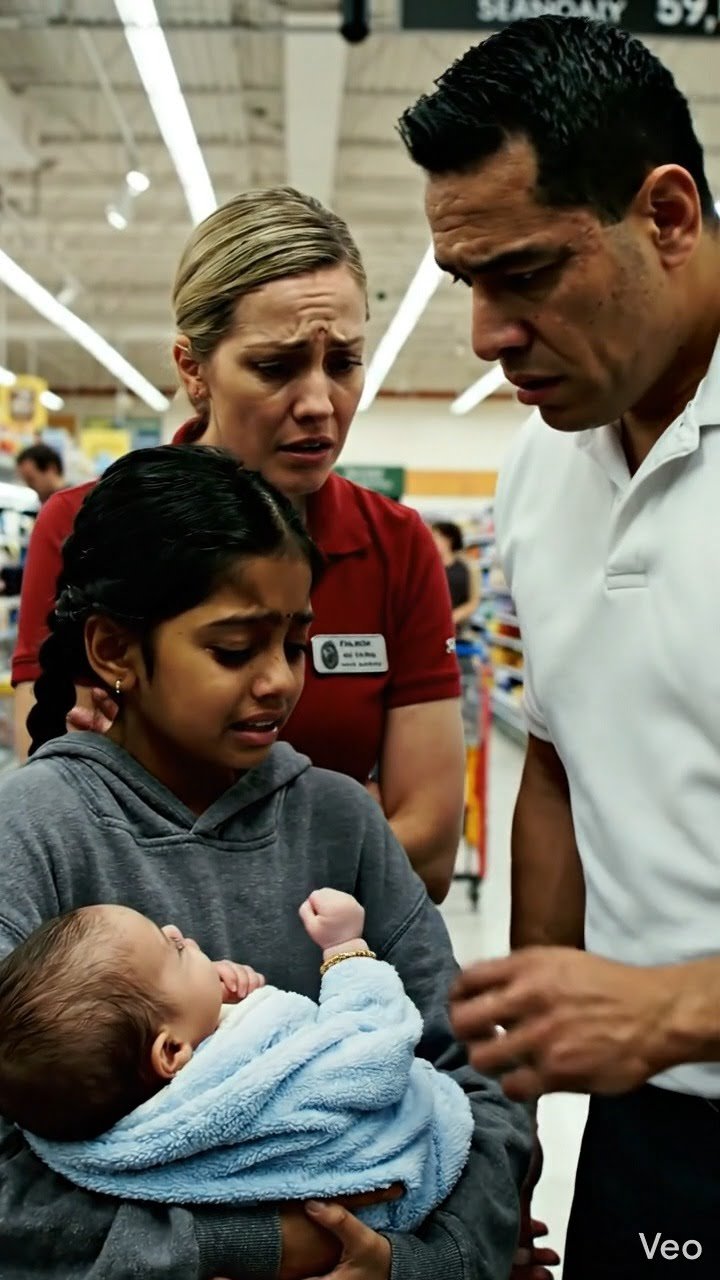
PART 2: The Detail No One Thought to See
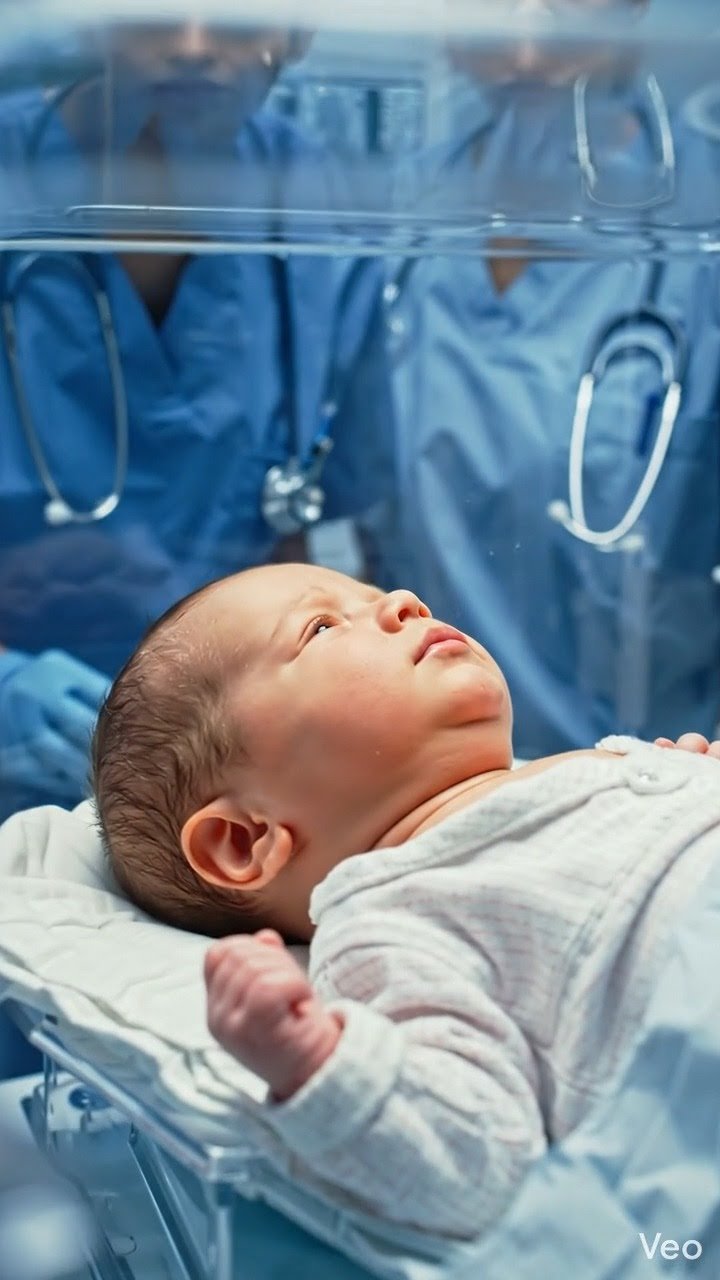
For a moment—
no one spoke.
The swelling was small. Almost nothing.
But now that it had been seen—
it couldn’t be unseen.
“Move the light,” one doctor said quietly.
Another adjusted the angle. The glow sharpened.
There it was.
A faint rise beneath the baby’s skin.
Subtle.
Wrong.
“How did we miss that…” someone whispered.
No one answered.
Because they all knew the truth—
they weren’t looking for it.
The boy didn’t step back.
He stepped closer.
“His breathing,” he said. “It’s not just weak… it’s uneven.”
A doctor glanced at him, irritation flickering.
“And you are?”

The boy didn’t hesitate.
“No one,” he said. “Just… watching.”
The answer should have ended it.
It didn’t.
Because he was right.
Another doctor leaned in, eyes narrowing as he observed the monitor.
“…There’s a pattern,” he admitted. “Irregular pauses.”
The man near the incubator took a step forward.
“What does that mean?” His voice was tight—holding together barely.
The doctors didn’t answer immediately.
They were thinking now.
Really thinking.
The boy pointed again, more carefully this time.
“There,” he said. “When he tries to breathe… something stops it.”
The room stilled again.
A senior doctor exhaled slowly.
“…Possible obstruction,” she said.
Another nodded. “Or pressure.”
“Near the airway,” someone added.
The mother pushed herself up slightly, trembling.

“Can you fix it?” she asked, her voice breaking. “Please—just fix it…”
No one rushed to answer.
Not because they didn’t care—
but because now, the stakes had changed.
This wasn’t a general emergency anymore.
This was precise.
Delicate.
Critical.
The senior doctor turned sharply.
“Prep imaging. Now.”
Movement returned—but different now.
Focused.
Intentional.
Machines adjusted. Screens flickered. Orders moved faster than sound.
And in the middle of it—
the boy stood still.
Watching.
The man noticed him.
Really noticed him this time.
“You saw that…” he said quietly. “How?”
The boy hesitated.
For the first time—uncertain.
Then he shrugged, small.
“My little brother,” he said. “He… had something like that.”
A pause.
“He didn’t make it.”
The words didn’t echo.
They settled.
Heavy.
Real.
The man looked back at the incubator.
Then at the doctors—now moving with urgency they didn’t have before.
Then back at the boy.
And something in his expression shifted.
“Stay,” he said.
Not a request.
Not quite an order.
Just… something human.
The boy nodded.
Across the room, the mother wiped her tears, eyes locked on the tiny rise near her baby’s neck.
The thing that almost no one saw.
The thing that almost cost everything.
Minutes passed—
longer than they should have.
Then—
“Got it,” a doctor said.
The screen lit up.
Clearer now.
Defined.
The swelling wasn’t random.
It was pressing inward.
Restricting.
Silent.
Deadly.
But not invisible anymore.
The senior doctor straightened.
“We can intervene.”
Hope didn’t explode.
It grew.
Carefully.
Like something afraid to be wrong.
The mother covered her mouth again—but this time, her eyes held something new.
The man exhaled—like he’d been holding it for hours.
And the boy—
the one who didn’t belong—
stepped back just slightly.
His job was done.
Or so he thought.
Because as the team prepared—
as the room shifted from uncertainty to action—
one truth stayed behind.
Clear.
Unavoidable.
Sometimes—
it isn’t the most trained eyes that save a life.
It’s the ones that refuse to look away.
Our Facebook Group
Join Our Group